
Explainers / Technology explainer
One word, very different roles: understanding “drone”
Reconnaissance, logistics and other roles should not be treated as interchangeable.
Published 21 September 2026Source date: 21 September 2026
From disrupted oil routes to damaged refineries: how conflicts reach the petrol pump, why diesel is under pressure, and what drones can—and cannot—explain.
Filling up has become more expensive in the UK this September. Government figures for the week commencing 21 September put average petrol at 172.01p a litre and diesel at 195.53p. Three weeks earlier, on 31 August, the figures were 161.61p and 183.49p respectively. These are national weekly averages, published on 22 September, rather than a live quote for your nearest garage.
That adds £5.20 to a 50-litre petrol purchase and £6.02 to the same quantity of diesel, calculated from those averages. Drone attacks are one part of the explanation, alongside the wider disruption to oil supply and the separate costs of turning oil into usable fuel.
Crude oil is the raw material. Petrol and diesel are finished products made by refineries. Between an oilfield and a forecourt sit processing plants, storage terminals and transport networks. The US Energy Information Administration separates fuel prices into crude costs, refining, distribution and marketing, and taxes. Its examples concern America, but the distinction between raw material and finished fuel is useful everywhere.
For UK drivers, the RAC also identifies the pound–dollar exchange rate, retailer margins and taxes as price components. Refined fuel is traded in dollars, so a weaker pound can increase its sterling cost even without a further dollar-price rise. This explains why a movement in Brent crude—the international oil benchmark—is not a matching percentage change in the price of a litre.
The Commons Library dates the current Middle East conflict from the US and Israeli strikes on Iran on 28 February 2026. Its March briefing recorded an early increase in UK pump prices as oil and petroleum-product supplies were disrupted. September's increases therefore follow a longer supply shock; they did not begin with one recent drone incident.
In its report published on 11 September, the International Energy Agency estimated that more than 10 million barrels a day of Gulf production remained shut in during August. It also reported sharply depleted global oil stocks and higher tanker costs. Those are estimates for an earlier reporting period, not a live count of today's missing supplies. They show why transport disruptions and damage arrive in an already strained market.
Reuters reported on 22 September that Saudi Arabia's East-West pipeline had restarted slowly, citing informed sources. Drone attacks had closed it on 11 September. The route bypasses the disrupted Strait of Hormuz. Aramco had not immediately commented; normal flows were not confirmed.
DWN analysis: an alternative route offers less protection against shortages while it is unavailable. The economic effect depends on lost deliveries and their duration, rather than simply how many drones were involved.
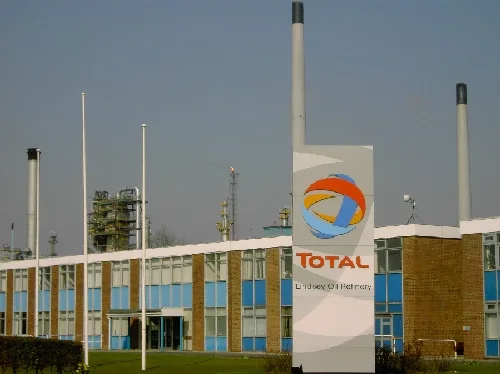
A second channel is damage to the plants that make finished fuel. In a 21 September report, Reuters cited three industry sources saying Moscow's Gazprom Neft refinery had stopped crude processing after a Ukrainian drone attack on 20 September. The mayor acknowledged damage on the premises; the company had not immediately commented. Reuters' industry sourcing supports the reported processing halt, but DWN has not independently inspected the damage.
A refinery interruption is different from losing an oilfield. The immediate problem can be less petrol or diesel being produced, even where crude remains available. EIA explains that refinery problems and delayed imports can draw down diesel stocks and lead buyers to bid more for available fuel.
The IEA's September report identified an especially tight market for refined products. It estimated that combined net diesel/gasoil exports from the Gulf and Russia in August were 1.6 million barrels a day below February levels. It linked the pressure to constrained Gulf flows and disruption to Russian refining following Ukrainian attacks.
Diesel has its own supply-and-demand balance. EIA notes its role in transport and the interaction with demand for related heating fuels. A fall in crude costs cannot instantly repair refining capacity or deliver replacement cargoes. That is why watching the oil price alone can miss the pressure on diesel.
Markets have moved in both directions. Reuters' 23 September report described improving Gulf supplies weighing on crude early in the day; its later market coverage recorded Brent settling at $103.08, up 3.86%. This is a dated trading result, not a price forecast. Diplomatic expectations and supply news can change the picture within hours.
Forecourt pricing runs on a different timetable. The RAC explains that retailers buy fuel at different frequencies and choose when to reflect wholesale changes. Exchange rates, distribution and margins also remain in the bill. A lower oil headline therefore needs to translate into sustained lower finished-fuel costs before it can explain a lasting reduction at the pump.
The government dataset shows fuel duty at 52.95p a litre and VAT at 20% on both comparison dates. A change in those rates therefore does not explain the increase between 31 August and 21 September. VAT is a percentage charge, however, so the cash tax included in a purchase can rise as its underlying price rises.
DWN analysis: the evidence supports a connection between drone attacks, interrupted supply and price pressure. It does not establish a defensible number of pence per litre caused by drones alone. Shipping disruption, refining losses, currency movements and commercial pricing overlap. Assigning the entire increase to one weapon would conceal those other causes.
For readers, three developments are worth following: sustained restoration of oil deliveries, recovery in finished-fuel production, and whether lower wholesale prices reach forecourts. Compare local prices as well as national averages. The useful question is whether fuel is becoming reliably cheaper to supply—not whether one day's oil chart has turned down.
Read our editorial standards.
DWN interpretation is identified in the text. This is not original field reporting or independent technical validation. Historical background retains its original dates; a later expansion date does not turn an old announcement into new news.
Reconnaissance, logistics and other roles should not be treated as interchangeable.
A short guide to separating ambitions, commitments and confirmed deliveries.